The Challenge
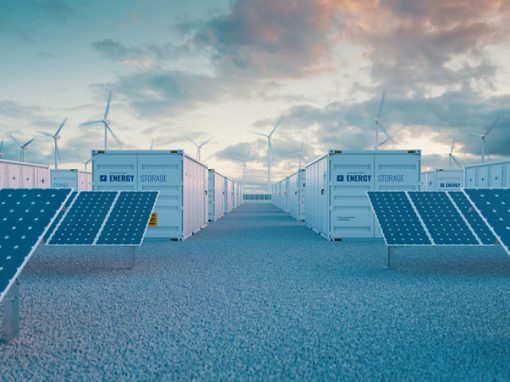
Renewable energy is weather dependent and geographically constrained. Solar and wind generate power when conditions allow, and that power needs to be stored before it can reliably fuel the grid. Solving that problem requires long-duration energy storage technology, and the available options are limited. Pumped hydro works, but demands specific geography. Lithium-ion technology is cost-effective for short cycles, but not for the multi-hour discharge that grid stability requires.
Our client’s technology commercialization team developed a proprietary, novel flow battery designed to address this gap. Inputs for this novel battery are more abundant and lower-cost than the vanadium used in conventional flow systems, improving both economics and supply chain security. The technology was validated, but lacked a commercial path.
The client engaged Red Chalk Group to assess whether the flow battery technology could compete in the market, identify where it would win, and build a roadmap for deployment and scale.
Our Approach
Red Chalk Group structured the work in three phases.
First, we built a technoeconomic model comparing the novel flow battery against incumbent technologies across a range of applications. We tested the assumptions directly by benchmarking against lithium-ion technology - the dominant storage technology - to identify and understand the cost and performance gaps.
Next, we assessed the full value chain required to produce and deploy the technology locally. This was not just a supply chain map; it was a determination of what could realistically be built in-region and what could not. Some components, particularly electrolyte processing, cannot be economically imported at scale - which underscored just how important localization would be.
Finally, we developed a comprehensive commercialization roadmap encompassing competitive landscape analysis, customer segmentation, and a business plan framework for scaling deployment. Red Chalk engaged directly with technology developers and local partners to ground the analysis in operational reality. Throughout the process, we aligned stakeholders across engineering, operations, and leadership, ensuring the final output was not only rigorous, but actionable.
What We Found
While lithium-ion technology proved to be a stronger option than the client had assumed due to its scale, cost trajectory, and supply chain depth, our client’s technology offers a cost-competitive alternative in applications where long discharge duration is required and grid access is limited. Red Chalk identified opportunities in oil and gas operations as well as mining sites running on diesel generators.
The Outcome
The client entered the engagement wanting to deploy their new technology. They left with a plan they could execute.
Red Chalk Group delivered a validated cost and performance baseline, a defined target customer set anchored in near-term commercial reality, a phased ecosystem development plan for local vertical integration, and a commercialization roadmap for scaling deployment as the market matures.
The broader lesson from this engagement extends across the sector. Long-duration energy storage remains critically underinvested relative to its importance. A high-renewables grid cannot be operated without solving storage, and lithium-ion technology alone will not close that gap. The organizations building the ecosystem today - before the economics become obvious - will be the ones that define the market tomorrow.